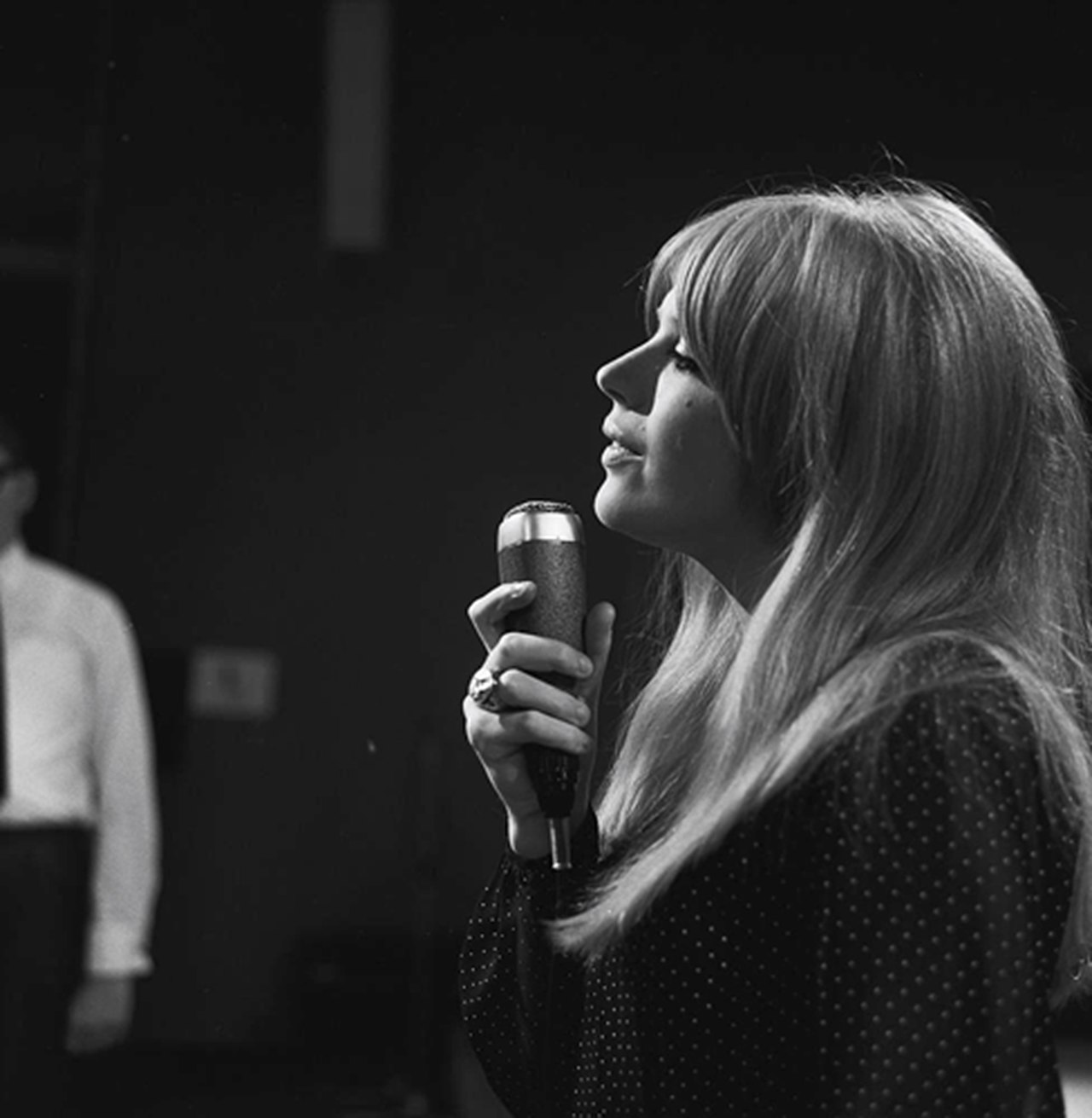
The musical landscape of Britain has been graced by countless influential voices, but few have carved a path as uniquely raw, tumultuous, and ultimately triumphant as Marianne Faithfull. From her serendipitous discovery in the swinging sixties to her poignant final recordings, Faithfull's life story is inextricably woven into the fabric of her extensive catalogue of legendary albums. Her journey as a British singer, marked by both dazzling stardom and devastating struggles, offers a compelling narrative of resilience, artistic integrity, and the transformative power of music. Exploring the Marianne Faithfull albums is not merely a listen; it's an intimate conversation with an icon who dared to live, fall, and rise again, always with a song in her heart.
The Sixties Siren: Early Albums and the Price of Stardom
Marianne Faithfull’s entry into the music world was almost the stuff of legend. Discovered at a party for The Rolling Stones in the mid-1960s, her striking beauty and ethereal voice quickly captivated the imagination of a generation. Her debut single, "As Tears Go By," co-written by Mick Jagger and Keith Richards, rocketed her into the UK Top 10, establishing her as an overnight sensation. This early success positioned her not just as a singer, but as a muse and a definitive figure of the rebellious London rock scene.
Her initial albums from this period, such as Marianne Faithfull (1965) and North Country Maid (1966), showcased her delicate, innocent vocal style. Singles like "Come and Stay With Me" and "This Little Bird" solidified her reputation as a charming folk-pop ingenue. These early recordings, while beautiful, often reflected the vision others had for her, casting her in a particular mold. She was the quintessential "It" girl, entangled in high-profile romances, most notably with Mick Jagger, and her image was inseparable from the burgeoning counter-culture movement.
However, the rapid ascent to fame came with its own set of challenges. The hedonistic lifestyle of the era, coupled with intense public scrutiny, began to take its toll. Faithfull became an unwitting poster child for the wild side of rock and roll, her personal struggles often sensationalized in the press. Incidents like her 1968 arrest with Jagger for cannabis possession underscored the darker undercurrents beneath the glittering facade of stardom. By the end of the decade, the innocent siren image began to fray, hinting at the profound transformations her art, and life, would soon undergo.
A Decade of Disillusion: The Lost Years and the Path to Rebirth
The transition from the 1960s to the 1970s marked a dramatic and devastating downturn in Marianne Faithfull's life and career. The breakup with Mick Jagger, combined with escalating drug addiction and mental health struggles, plunged her into a decade of profound personal crisis. She battled anorexia, became heavily addicted to heroin, and for several years, lived a precarious existence, often homeless, on the streets of London. This period saw a significant hiatus in her musical output, a stark contrast to the consistent releases of her earlier years. Her albums became fewer and farther between, reflecting a life derailed by addiction and despair.
During these "lost years," Faithfull's public profile dwindled, and many feared her story would end tragically, another casualty of rock and roll excess. Yet, these harsh experiences, however brutal, would ultimately forge the raw, resilient artist who would re-emerge at the end of the decade. The streets of London, the anonymity she craved and found in her darkest hours, and the stark reality of her addiction stripped away the superficial trappings of her sixties persona, leaving behind a core of fierce authenticity.
The transformation was profound. Her voice, once light and airy, deepened and roughened, scarred by years of drug use and the relentless grit of her survival. This change, initially perceived by some as damage, would become her most potent artistic tool, imbuing her later work with an unparalleled sense of lived experience and emotional depth. It was this brokenness, this hard-won wisdom, that would inform one of the most remarkable comeback albums in music history.
Broken English: A Triumphant Comeback and Raw Honesty
In 1979, after nearly a decade without a significant album release, Marianne Faithfull unleashed Broken English upon the world. It was a seismic event, a defiant roar from an artist many had written off. This album wasn't just a comeback; it was a complete reinvention, a searing testament to her survival and artistic evolution. Gone was the gentle folk-pop of her early career, replaced by a stark, punk-infused New Wave sound, propelled by electronic textures and a newly husky, weathered voice that commanded attention.
Broken English was brutally honest, a sonic diary of her years in the wilderness. The lyrics, often co-written by Faithfull herself, tackled themes of addiction, betrayal, political disillusionment, and personal reckoning with unvarnished candor. The title track, "Broken English," was a furious denunciation of terrorism and political hypocrisy, while "Why D'Ya Do It?" was a visceral outpouring of anger and pain directed at a cheating lover. The album’s standout track, "The Ballad of Lucy Jordan," written by Shel Silverstein, became one of her signature songs, a haunting narrative of a suburban housewife's unfulfilled dreams that resonated deeply with audiences.
The critical reception was overwhelming. Broken English earned Faithfull a Grammy nomination for Best Rock Vocalist, solidifying her status not just as a British icon, but as a powerful, uncompromising artist in her own right. The album proved that her life experiences, however painful, had enriched her art immeasurably. She herself reflected on her time living on the streets with a surprising perspective: "As a junkie I had an enviable life. I had total anonymity, something I hadn't known since I was 17." This insight highlights the complex layers of her recovery and how even suffering contributed to her unique artistic voice.
For aspiring musicians or those facing creative blocks, Faithfull's journey through Broken English offers a vital lesson: your deepest struggles can be transformed into your most profound art. It's a testament to finding beauty and power in vulnerability. To truly appreciate her evolution, consider listening to her debut album followed immediately by Broken English; the contrast is breathtaking and profoundly moving.
Enduring Legacy: From Resilience to She Walks in Beauty
The success of Broken English marked the beginning of Marianne Faithfull's remarkable second act. She continued to release critically acclaimed albums throughout the 1980s, 90s, and into the new millennium, consistently pushing artistic boundaries and collaborating with a diverse range of musicians. Albums like Dangerous Acquaintances (1981), Strange Weather (1987), and Kissin' Time (2002) further showcased her versatility and her unwavering commitment to raw, authentic storytelling. Her voice, ever-evolving, became even more textured and expressive, a powerful instrument perfectly suited to her introspective and often melancholic material.
Her later years were a testament to her enduring spirit. Despite ongoing health battles, including her well-documented fight against COVID-19 in early 2020, which saw her fall into a coma and recover against medical expectations, Faithfull continued to create. Her resilience culminated in her 22nd and final album, She Walks in Beauty, released in 2021. This album, a spoken-word collaboration with Warren Ellis, saw her recite romantic poetry from the likes of Byron, Keats, and Shelley, set to evocative musical soundscapes. It was a serene and elegant closing chapter, a poignant reflection on a life lived fully, ending not with a bang, but with a quiet, profound beauty. It’s a remarkable parallel to the recently discovered early recordings of another British singing icon, Vera Lynn, whose early British recordings offer another glimpse into the genesis of a celebrated career, albeit under vastly different circumstances.
Marianne Faithfull's journey through her albums is a compelling narrative of a British singer who defied expectations, overcame immense personal adversity, and continuously reinvented herself as an artist. Her life, marked by intense highs and devastating lows, was meticulously documented in her music, making her discography a living archive of a truly iconic existence. Her albums serve as a powerful reminder that authenticity, courage, and the unwavering pursuit of artistic truth can transform even the most challenging experiences into enduring works of art. Her passing in 2024 at the age of 78 left a void, but her legacy as a fearless and transformative British female singer and artist remains indelible.