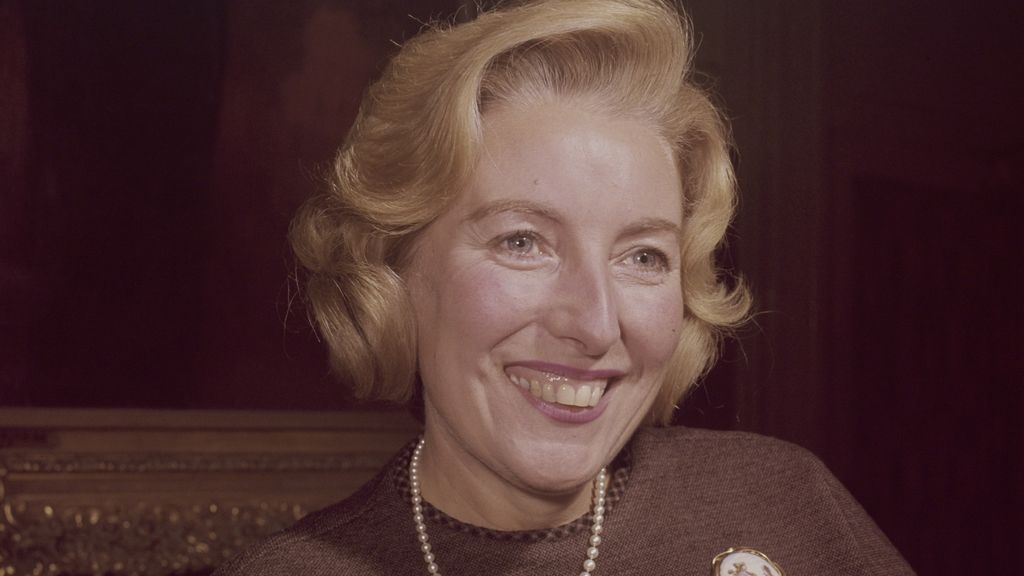
Vera Lynn's Hidden Treasures: Unearthing Early British Recordings and a Legacy Reborn
The world of music is often enriched by unexpected discoveries, and few resonate quite as deeply as the unearthing of lost recordings from a beloved icon. Such is the case with Dame Vera Lynn, "The Forces' Sweetheart," whose earliest musical moments have recently come to light, offering an invaluable glimpse into the genesis of a legendary career. This remarkable find not only adds a new chapter to Lynn's illustrious story but also underscores the enduring importance of preserving the musical heritage of legendary albums by British female singers, whose voices have shaped generations.
For fans and historians alike, these newly discovered recordings are more than just old tracks; they are precious artifacts, revealing the raw talent and burgeoning artistry of a young woman destined for greatness. This article delves into the details of this extraordinary find, explores Vera Lynn's monumental legacy, and broadens the lens to appreciate the rich tapestry of British singer albums that have left an indelible mark on global culture.
Unearthing Priceless Auditions: A Glimpse into Lynn's Genesis
The journey to discovery began, as many personal histories do, with a clearing out. Virginia Lewis-Jones, Dame Vera Lynn's daughter, stumbled upon a treasure trove while tidying her mother's home: three unassuming aluminum discs. These weren't just any old records; they contained the very first known recordings of a young Vera Lynn, captured during an audition in the mid-1930s. This intimate find offers an unprecedented window into the nascent stages of Lynn's career, before she became a household name and an icon of wartime resilience.
Recognizing their immense historical value, Virginia Lewis-Jones generously donated these rare aluminum plates, along with her mother's extensive record collection, to the prestigious British Museum. This ensures that these foundational moments in British musical history will be preserved for future generations, available for study and appreciation. Among these significant donations is also a copy of It's Home, a track of immense rarity. Recorded in 1935 with her discoverer and bandleader, Howard Baker, only a mere one hundred copies of this record were ever pressed. Its inclusion in the discovery highlights not only its scarcity but also its pivotal role as the earliest commercially available recording featuring Vera Lynn's distinctive voice.
The crackle and warmth of these early recordings offer more than just sound; they provide a tangible link to a bygone era, allowing us to hear the youthful promise in Lynn's voice, long before the weight of a nation's hopes would rest upon her shoulders. They are a testament to the meticulous care often taken with early British singer albums, even at the very beginning of an artist's journey.
From Audition to Album: The "Hidden Treasures" Release
The excitement generated by these discoveries has not been confined to archives. Decca Records, recognizing the profound historical and cultural significance, has taken steps to bring these "hidden treasures" to the public. Coinciding with the commemoration of the end of World War II, one of these remarkable audition recordings, What a Difference a Day Makes, was released as a single. This choice is particularly poignant, as the song, originally a Spanish-language hit from 1934, later gained immense popularity through the American jazz singer Dinah Washington.
The single serves as a prelude to a much-anticipated posthumous album titled Hidden Treasures, which is slated for release in November. This album will compile the remaining newly discovered recordings, offering fans a comprehensive collection of Lynn's earliest vocal performances. The very concept of uncovering and releasing such archival material underscores the ongoing fascination with British singer albums and the rich, often undiscovered, layers of musical history.
This initiative not only allows us to experience the nascent talent of Vera Lynn but also to appreciate the evolution of her artistry. Listening to these early renditions provides a unique perspective on the foundational elements that would later define her iconic sound. It’s a powerful reminder that even the most celebrated careers have humble beginnings, and that sometimes, the greatest treasures are those long forgotten, waiting to be rediscovered and shared with a new generation of listeners.
The Forces' Sweetheart: Vera Lynn's Enduring Legacy
Vera Lynn (1917-2020) transcended mere musical stardom to become a beacon of hope and resilience during World War II. Her unwavering spirit and comforting voice earned her the beloved moniker, "The Forces' Sweetheart." She became a symbol of home and comfort for British servicemen and women fighting across Europe, Africa, and Asia, her melodies a vital link to the world they had left behind.
Her popularity was amplified by her groundbreaking BBC radio program, where she not only sang requested songs but also read out messages from servicemen to their families and vice versa. Accompanied by a quartet, she provided solace and connection through music, her voice carrying across continents, bridging the vast distances of war. These broadcasts were instrumental in cementing her status as a national treasure, demonstrating the profound emotional impact of British singer albums and live performances even in the darkest of times.
Lynn's fame extended far beyond the shores of the United Kingdom, particularly due to her timeless anthem, We'll Meet Again, recorded in 1939. This song became an international symbol of hope and enduring love, so much so that it continues to be the emotional closing piece of Liberation Day commemorations in Amsterdam. Her albums, filled with songs of perseverance and comfort, provided a soundtrack to a nation's struggle and eventual triumph. Even decades after the war, Vera Lynn's music continues to evoke a powerful sense of nostalgia and admiration, her legacy firmly cemented as one of Britain's most cherished voices.
Her ability to convey deep emotion and connect with a wide audience remains a masterclass in vocal performance and public engagement. Her contribution goes beyond music; it's a testament to the power of art to uplift and unite during times of immense challenge. The rediscovery of her early works only enhances our appreciation for the journey of this extraordinary artist, from nascent talent to global icon.
Beyond Vera Lynn: The Rich Tapestry of British Female Singers' Albums
While Vera Lynn stands as a unique figure, her story is part of a broader, vibrant narrative of British female singers who have profoundly impacted the world of music. From the early 20th century to the present day, British women have consistently delivered iconic albums and unforgettable performances, shaping genres and influencing countless artists globally. The depth and diversity of these contributions are staggering, reflecting changing societal landscapes and evolving musical tastes.
Consider the trajectory of artists like Marianne Faithfull, another British icon whose life and career traversed the tumultuous decades from the 1960s onwards. Faithfull, who sadly passed away at 78, broke through in the swinging sixties with hits like As Tears Go By, co-written by Mick Jagger and Keith Richards. Her early albums showcased a distinct vocal style and an undeniable presence, quickly establishing her as a prominent figure in London's rebellious rock scene. Her life, marked by both fame and personal struggles, was powerfully documented in her music, particularly in her acclaimed 1979 comeback album, Broken English, which earned her a Grammy nomination.
Faithfull's journey, from pop starlet to a gritty, raw blues-rock artist, is a testament to the resilience and artistic evolution often found in the careers of British female vocalists. Despite facing immense challenges, including addiction and homelessness, she channeled her experiences into her art, continuing to record and perform, eventually completing her 22nd and final album, She Walks in Beauty, even after a severe bout with Covid. Her story, like Lynn's, underscores the deep personal investment often found in Marianne Faithfull albums and other legendary British singer albums.
These artists, whether offering wartime solace or rebellious anthems, illustrate the incredible range and enduring influence of British female singers. Their albums are not just collections of songs; they are cultural touchstones, reflecting the times they lived in and helping to shape the future of music.
Preserving Musical Heritage: Tips for Collectors and Enthusiasts
The discovery of Vera Lynn's early recordings serves as a powerful reminder of the importance of preserving musical history. For collectors and enthusiasts, there are practical steps to contribute to this vital effort:
- Identify Rare Pressings: Always look for details like limited edition numbers (e.g., the 100 copies of It's Home) or unique labels. Such specifics often indicate historical significance and rarity. Researching an artist's discography can reveal early, lesser-known works.
- Archival Care: Proper storage is crucial for old records and recording media. Keep them in cool, dry conditions, away from direct sunlight and extreme temperatures, to prevent degradation. Use acid-free sleeves and boxes.
- Consider Institutional Donation: If you possess historically significant musical items, consider donating them to museums, archives, or educational institutions. This ensures professional preservation, public access, and scholarly study, as Virginia Lewis-Jones did with her mother's collection.
- Embrace Digital Archiving: Modern technology allows for the careful digitization of older recordings, preserving their sound even if the original physical medium deteriorates. Many services can help convert obscure formats to digital files.
- Understand Artist Evolution: Actively seek out and listen to early recordings. They offer invaluable insights into an artist's development, influences, and the changing musical landscape, enhancing your appreciation for their complete body of work.
Conclusion
The revelation of Vera Lynn's earliest recordings is a momentous occasion, adding a profound new dimension to the legacy of "The Forces' Sweetheart." These aluminum plates, now safeguarded by the British Museum, offer a rare and intimate glimpse into the nascent talent of a young woman who would become one of Britain's most enduring icons. The upcoming Hidden Treasures album promises to be a poignant journey back to the very start of her illustrious career, enriching our understanding of one of the most beloved British singer albums in the making.
This discovery also serves as a vibrant reminder of the rich and diverse history of British female singers, whose albums have provided comfort, sparked rebellion, and soundtracked pivotal moments in history. From Vera Lynn's wartime anthems to Marianne Faithfull's gritty rock narratives, the contributions of these artists continue to resonate, inspiring new generations and ensuring that the hidden treasures of their musical past are continually unearthed and celebrated.